
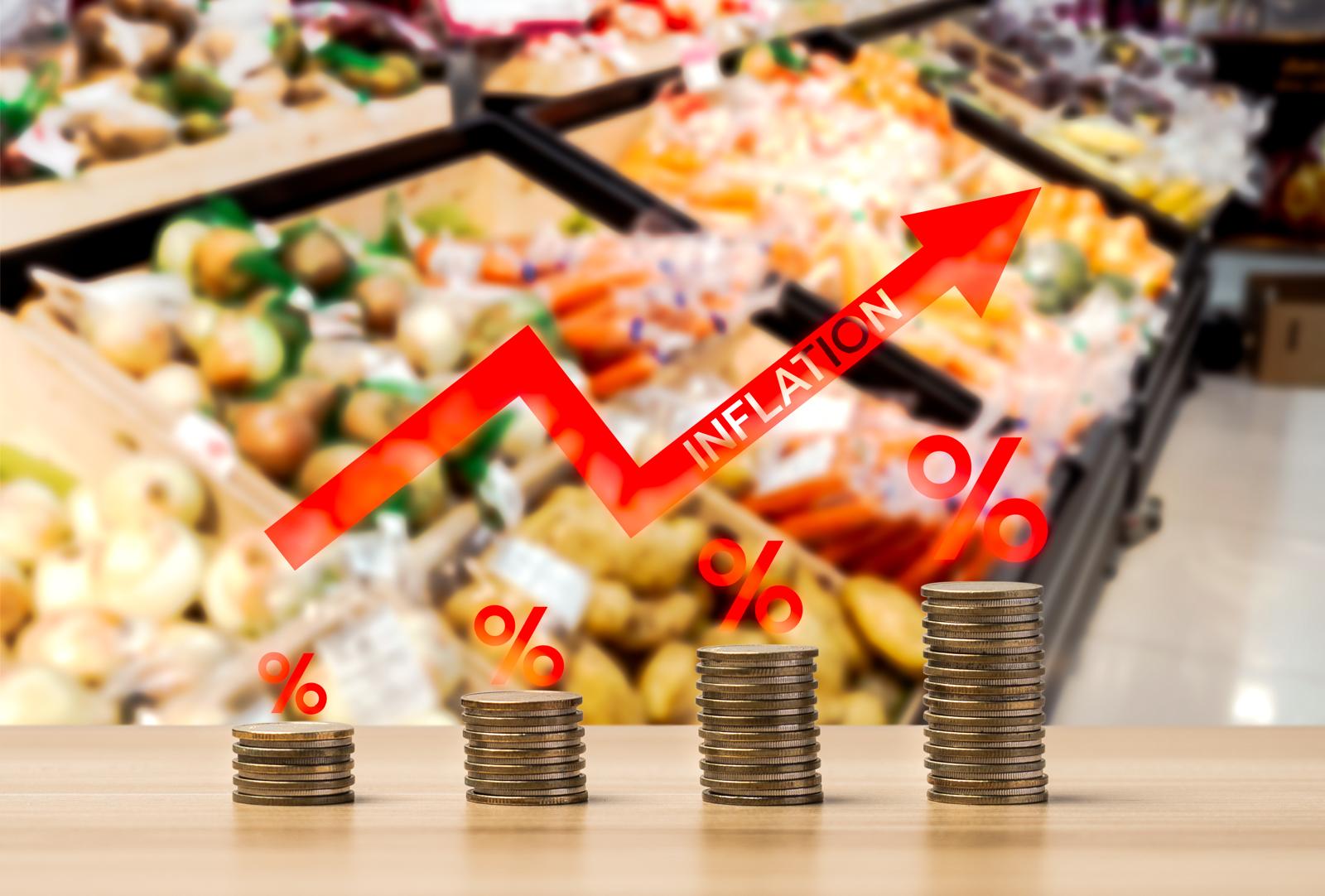
Understanding Inflation: Simple Ways to Protect Your Money When Prices Rise
August 8, 2026 • 7 min read
Inflation is a normal part of every economy, but when prices rise quickly it can hurt your financial health. Learn what inflation means and how to protect your money.
Inflation is a normal aspect of all economies but when prices increase rapidly it can have a major impact on your financial health. Inflation means that things people really need, including food, fuel, housing and health care, cost more. If your income does not increase at the same rate, your purchasing power decreases, i.e. money buys less products and services than it used to. Inflation is a part of the economic cycle and knowing how to preserve your money will help you remain financially stable while costs are rising.
What Is Inflation and Why It Matters?
Inflation is a slow increase in prices for goods and services. When prices rise, money is worth less. Each dollar (or rupee) is worth less than it was. There are several reasons for inflation such as high consumer demand, high production costs, supply chain issues and government monetary policies. Moderate inflation is a sign of a healthy economy, but when it's consistently too high, it can erode the purchasing power of households and lead to financial instability. To make smart money decisions, the first step is to understand inflation.
How Does Inflation Impact Your Daily Finances?
Inflation starts to eat into your day to day. Prices of basic necessities such as food, transit, power and rent increase. Families may discover their monthly expenses don't stretch as far. Long-term financial goals are subject to inflation, too. If the interest rate on savings is less than the rate of inflation, then the value of savings can actually decrease over time. Likewise, those planning for retirement or large purchases may need to save more than they originally thought in order to meet their goals. Since inflation can affect your day-to-day expenses and your long-term planning, it's wise to factor inflation into your overall financial planning.
Why Saving Alone May Not Be Enough
Many people think that saving money is all that's needed to secure their financial future but idle cash gradually erodes in value due to inflation. If inflation is 5 percent a year, yet your savings are only earning 2 percent interest, your money is losing real value over time. You are getting more money, but it is less valuable. That is not to say that savings are meaningless. You still need an emergency fund for the unexpected but relying exclusively on cash savings may not be enough to create long-term wealth under inflation.
How to Protect Your Money in Practice
The best thing you can do for your finances is to make smart financial moves, not react emotionally to rising prices. Making a home budget and reviewing it periodically is a way to see what spending is unnecessary and to decide what is most important. It also makes it easy to adjust when prices fluctuate, by tracking your monthly spending. Diversify investments to minimize financial risk. If you can afford to take some risk and have the financial means, you might want to consider investing in stocks, bonds, mutual funds, real estate or inflation-protected securities for long-term growth instead of storing a lot of cash. It's also wise to pay off any high interest debt you may have. Because inflation generally comes with rising interest rates, borrowing becomes more expensive. Less debt means more flexibility and less cost down the road. Upgrading your skills and job can enhance your income potential, helping your income to keep pace with rising costs of living.
Building Long-Term Financial Resilience
You can't forecast inflation but you can prepare for it and lessen its effect. Having an emergency fund, investing on a regular basis and periodically reviewing your financial goals might help better your financial position over time. Concentrate on good financial discipline as opposed to trying to time the market in the short run. Instead of overreacting to short-term economic fluctuations, make well-informed decisions, be conservative in your budgeting and consistent in your investing. This is often how good long-term outcomes are achieved. It also makes you aware of the economic climate so that you can change your financial goals accordingly without making rash judgements.
Final Thoughts
Inflation makes it more expensive to live, and makes our money less valuable. It impacts all of us. Higher prices can bring some financial difficulties. Understanding how inflation works can help people make better financial decisions. If you want to protect your money against inflation, you need to establish a realistic budget, keep an emergency reserve, reduce excessive debt and invest for long term growth. Financial security doesn't arise from trying to escape inflation. It comes from preparing for inflation via informed preparation and regular financial habits. Acting today can assist protect your buying power and support your financial goals in the future.