
What Are Crypto and Digital Assets? A Beginner's Guide to Understanding the Risks
August 6, 2026 • 7 min read
From Bitcoin to thousands of digital coins, cryptocurrencies have drawn global interest. Learn how digital assets work and the risks every investor should know.
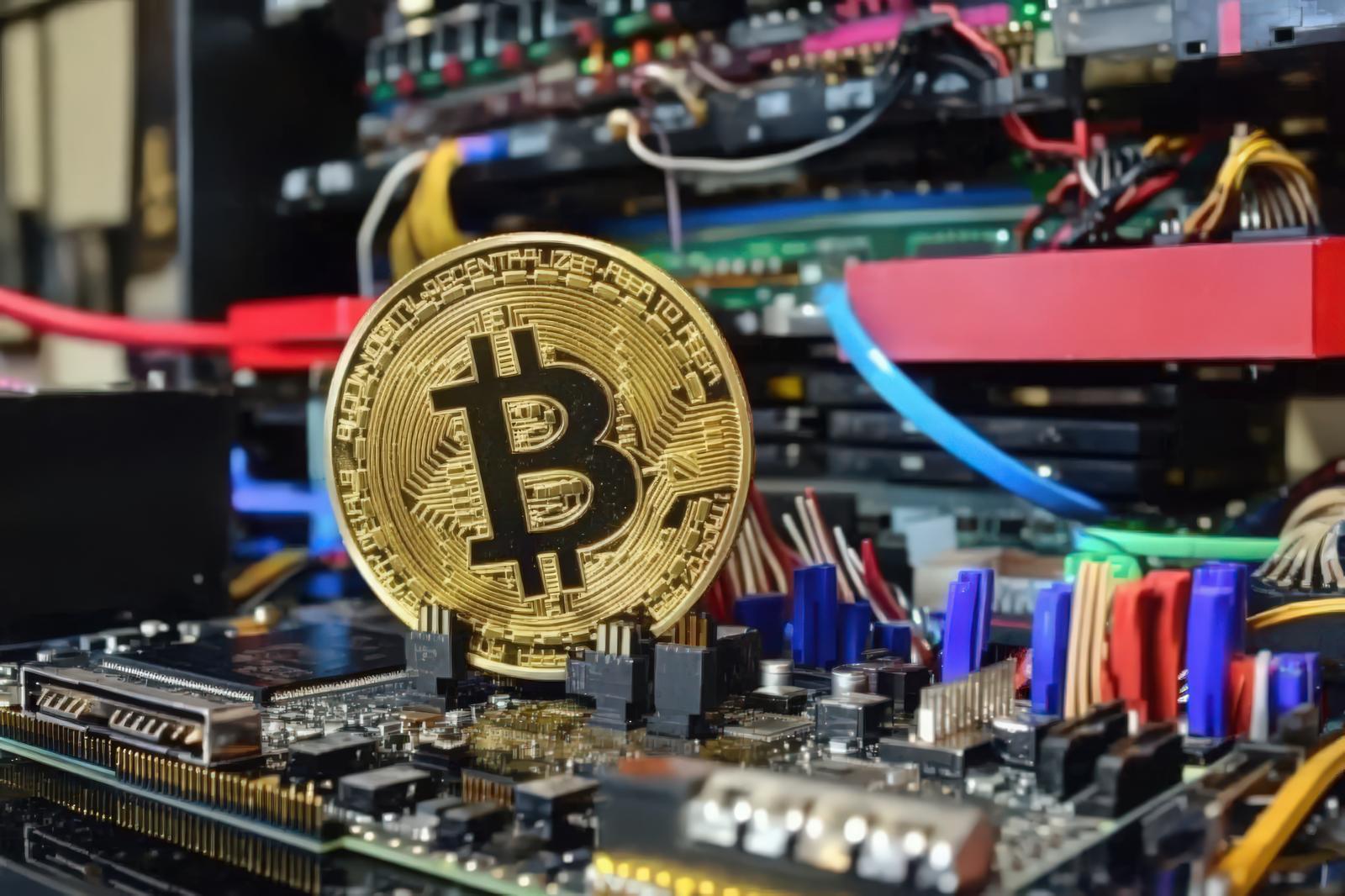
The most discussed financial innovation of the 21st Century is cryptocurrency. From Bitcoin's headline-grabbing methods to the thousands of digital coins presently on the market, cryptocurrencies have drawn the interest of investors, corporations and governments. High yields entice many in digital assets, but the market is fraught with many risks that every investor has to recognize before investing their money. If you are new to crypto or want to learn more about it, the first step to making smart investment decisions is to understand the fundamentals of digital assets and the risks associated.
What Are Digital Assets?
Digital assets are assets of value that exist in electronic form and can be owned, transferred or traded. In the crypto space, digital assets are coins, tokens and other assets that exist on a blockchain. Cryptocurrencies are based on decentralized blockchain networks, not traditional currency issued by central institutions. A blockchain is a distributed digital database of transactions that is difficult to hack or change retrospectively.
What Is Cryptocurrency?
To decipher cryptocurrencies, you need to understand how blockchain technology operates. Network participants verify each transaction and it is also permanently recorded on the blockchain. It is a method that eliminates the need for banks or other middlemen to approve transactions. Cryptocurrency wallets are digital or physical devices used for storing digital assets by consumers. Wallets have private keys that allow the owner to access their valuables. It's very crucial to keep them safe because if you lose these keys, you will not be able to reclaim your funds. Most cryptocurrencies are traded on online exchanges, where investors can trade digital currencies for traditional currencies, or for other digital currencies.
Why People Invest in Digital Currency
The popularity of cryptocurrency is growing for several reasons and this comes with a variety of potential benefits. Digital assets are seen by many investors as a means to diversify their investment portfolio. Some think that with use increasing, cryptocurrencies will grow substantially in value over the long run. Advantages of blockchain technology are transparency, speedier international transactions, less dependence on centralized financial institutions. Some investors are attracted to decentralized finance (DeFi), which allows users to lend, borrow or earn profits without needing traditional banks.
Understanding Risks Before Investing
Cryptocurrencies are fascinating but hazards should not be overlooked. Market volatility is one of the toughest challenges. Cryptocurrencies can be quite volatile and their value might move substantially, up or down, in a matter of hours. If a buyer buys at the top of the market they can suffer a huge loss if prices decline. Security is a huge issue too. Cryptocurrency exchanges, wallets and online accounts can be hacked. The blockchain itself is quite secure, but investors who fail to apply basic security measures may permanently lose their digital investments. There is also ambiguity in the regulatory environment in the cryptocurrency marketplaces. Governments around the world are still drafting tax, trade and legal compliance rules. Regulatory changes can affect market pricing and investor sentiment.
Practical Tips to Manage Your Investment Risk
Responsible investment is more than being aware of the hazards. Investors should have plans in place for limiting potential losses. First, do not wager money that you can't afford to lose. At the end of the day, bitcoin should be a part of your investing portfolio, but not the entirety of your financial plan. Second, investigate each project before you invest. Don't just chase the social media trends or the internet chatter. Look at its mission, the team behind it, the technology it uses, market demand and long term aspirations. Third, diversify your portfolio. By having a mix of assets you can reduce the impact of one cryptocurrency performing poorly. And last but not least, security: utilize secure passwords, utilize two factor authentication, and keep your substantial assets on reputable hardware wallets not on an exchange.
Build a Long-Term Perspective
Patience and discipline are key to successful bitcoin investing. Markets are volatile in the short term and investors sometimes make irrational judgements such as buying when the market is excited and selling when it is afraid. The long-term investment approach is based on the intrinsic value of blockchain technology, and not on daily price fluctuations. For investors it is important to keep an eye on market developments, technological innovations and regulatory changes in order to make sound financial decisions in the long term.
Final Thoughts
Cryptocurrencies have revolutionized the world of finance by offering new investment opportunities, decentralized digital assets, and innovative financial services and yet they are not without risk, including price volatility, cyberattacks, regulatory interference, and investment scams. Understanding how digital assets work, the risks involved and how to invest responsibly can help people make informed decisions.