
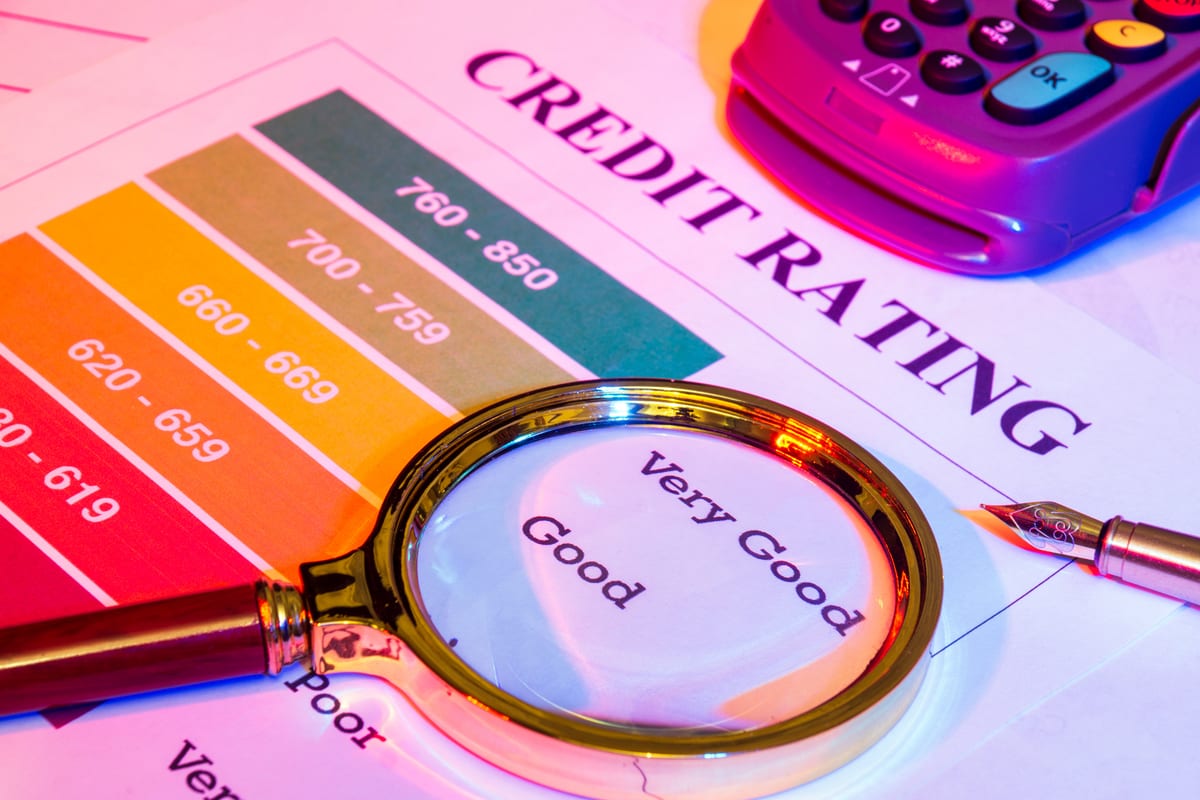
Credit Rating: Easy Ways to Build and Keep a Strong Credit Score
August 2, 2026 • 6 min read
Your credit score affects loans, credit cards, and even renting. Learn what a credit score is, why it matters, and simple habits to improve it over time.
When applying for a loan, credit card or even renting a property, your credit score can be a significant predictor of your financial future and a good credit score is one of the best financial tools you might own. The higher your score, the more likely you are to receive better interest rates and loan terms. The lower it is, the more limited your options become. Fortunately, you don't need any hard-to-do strategies to develop and keep a good credit score. Here are some simple behaviours you may cultivate to better your financial profile and ensure long term financial success.
What Is a Credit Score?
A credit score is a numeric representation of your creditworthiness. It's a history of how well you've handled borrowed money before. Lenders use this score to determine if you will make timely payments on loans. Overall, your credit score is a function of your payment history, amount of debt, length of credit history, types of credit you have, and recent applications for credit. Know them and you're a smarter money person.
Why Your Credit Score Is Important
Good credit score means you get to enjoy several financial perks. This can make it easier to obtain approval for loans and credit cards. It can help you receive cheaper interest rates. A lower interest rate can save you thousands of dollars over the life of your mortgage, car loan or personal loan. Your employer, landlord or insurance provider may make decisions, in part, based on your credit history. So a strong credit score could mean more than just borrowing money. The first step to successfully managing your credit score is understanding just how important your credit score is.
Easy Ways to Improve Your Credit Score
Good credit practices are the first step to increasing your credit score. Most importantly make your payments on time. If you pay on time every month you'll be building up a strong credit record, and your payment history is one of the greatest things that could affect your credit score. And it's good to keep your credit use in check. That means you're using only a small percentage of your available credit, instead of maxing out your credit cards. Lower balances show you can handle credit responsibly, and will enhance your score. Also, don't make applications for lots of credit lines in a short space of time. Applying for too many will make you look like you are in financial distress to lenders and can hurt your score.
Monitor Your Credit, and Use It Wisely
It's a good financial health habit to check your credit report regularly. Through your report you'll be able to spot flaws, expose fraud and monitor progress over time. Found wrong info, please report it quickly to be rectified. Mistakes on your credit record might affect your score. Also, keeping old accounts open (if they're in good standing) helps increase your credit history by increasing the average age of your accounts.
Common Errors in Credit
There are many simple mistakes people make that can ruin their credit ratings. Late payments, using up credit cards to their limit and closing old accounts without thinking can all damage your credit report. Or if you fall into financial troubles and ignore invoices or delay payments, it can also be harder to get back on track. If you're struggling to pay back your debts, then it might be worth contacting your lenders as soon as possible to see if there are any ways you can make your debt more manageable before it becomes a problem for your credit. Looking for shortcuts often trumps good financial practices.
How to Achieve Long-Term Financial Success
A decent credit score doesn't happen overnight. It's based on smart money management, sound financial stewardship. In the long run, financial stability includes paying your bills on time, only borrowing what you can afford to pay back and checking your credit often. Good credit habits are the keys to achieving larger financial goals such as saving for emergencies, investing for the future and managing debt wisely. Combined, these behaviours will set you up for a strong financial foundation today and tomorrow.
Final Thoughts
A credit score is not just a number. It is a measure of financial stability and has many implications on various aspects of your financial life. Understand how credit scores function, and create positive habits, like paying bills on time, managing your debt, reviewing your credit report, and avoiding applications for credit you don't need. Good credit takes time to create, but the rewards are worth it. A stronger credit score can help you improve your financial outlook, cut your borrowing costs and feel better about your long-term financial goals.